Stargazing at HSEA
HSEA conducted a unique stargazing workshop which enabled us to explore the phenomenal wonders of the cosmos. For many of us, it was a first time experience of seeing celestial bodies through a telescope. We were star-struck.
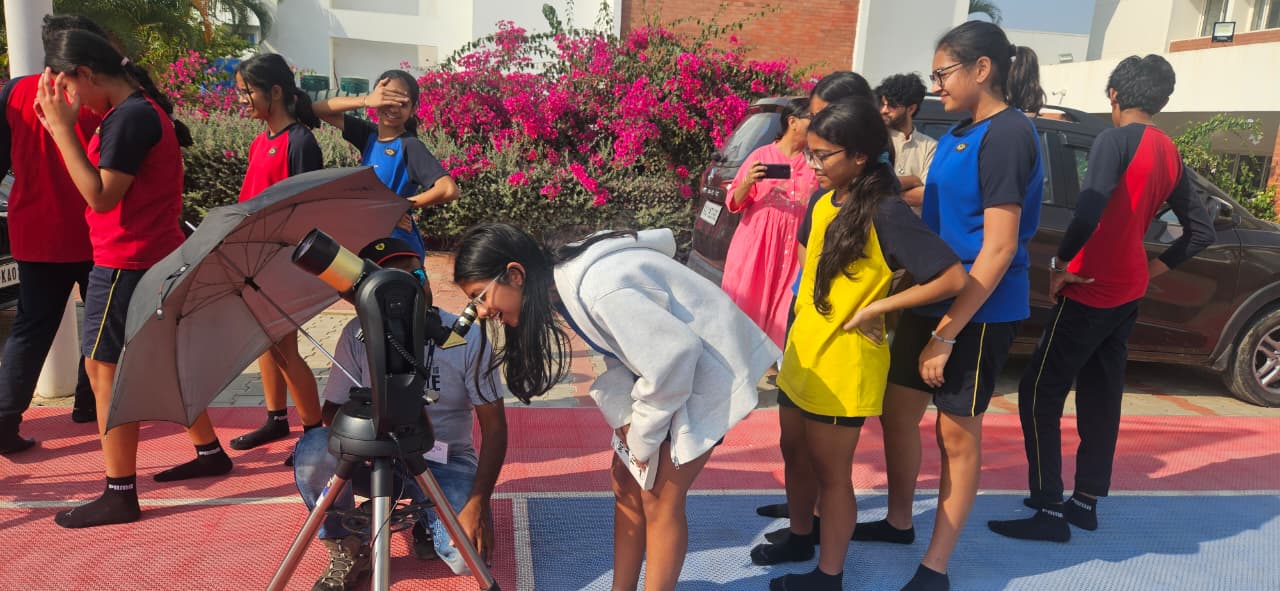
Solar Observation through Hydrogen Alpha Telescope
Our day went something like this: We headed to the basketball court to look at the Sun through two telescopes: through one of them, the Sun looked white and through the other, red. The researchers from RiSa provided us with a detailed explanation about why the Sun looked red. The Hydrogen-Alpha telescope filtered out all the wavelengths of light except the hydrogen alpha at 656 nm which is the infrared wavelength. This is the reason why the Sun looks red. We also watched a Prominence—a massive, dynamic atmospheric feature on the Sun. That was amazing. Then, the RiSa team spoke about the Sun’s orbital behaviour and how it affects where the Sun rises. Such a bizarre revelation; it rises in different positions every day and only rises perfectly in the East on the two equinoxes of a year.

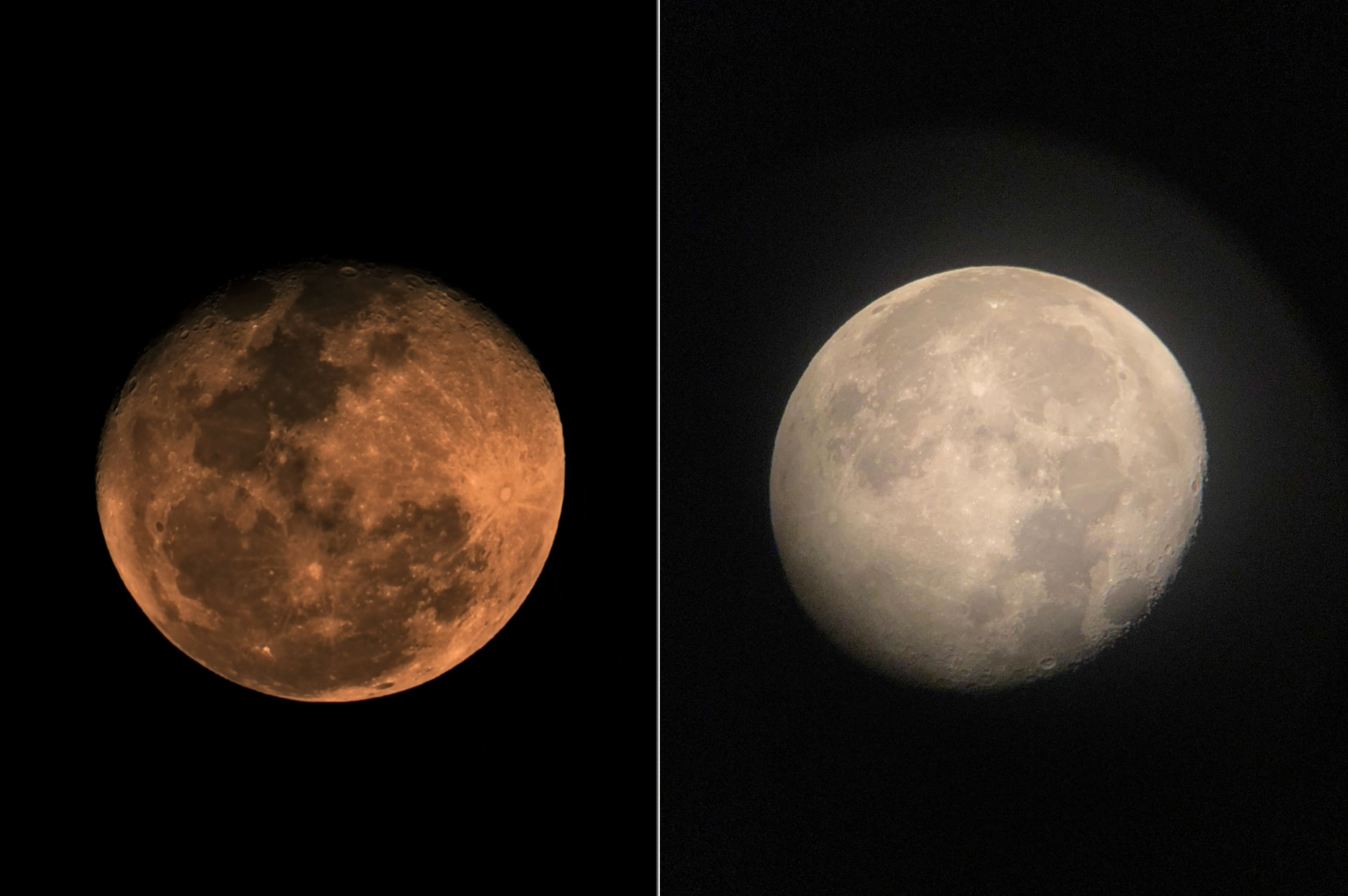
Moonrise at HSEA
We were taught about meteors and given an example of a Russian meteor which gave out a devastating shockwave even though it did not hit the Earth’s surface and instead imploded in the stratosphere. We were also made aware of a huge crater that people lived in without even realising it. They found out eventually, using satellite imaging. We were later shown some real meteor pieces like the Russian meteor. We were introduced to a piece of the Moon whose structure had changed due to heating up in the atmosphere.
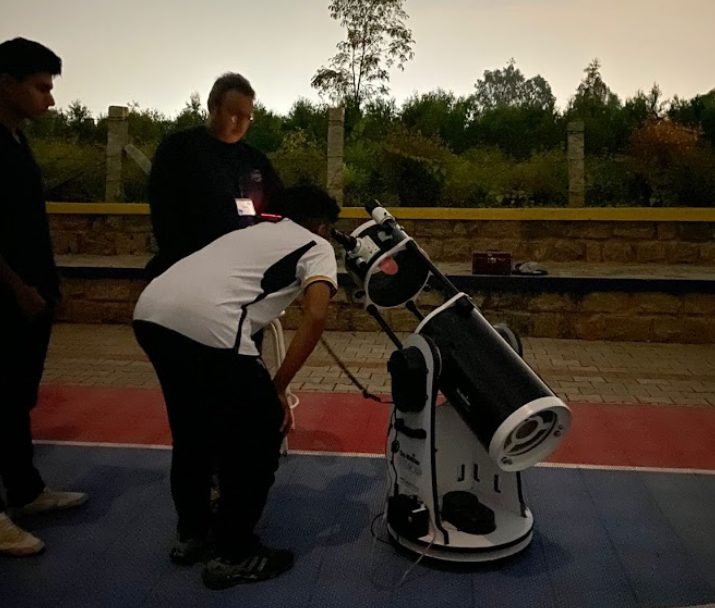
After a small break and a snack, we went to the football field to look at Jupiter and four of its biggest moons including Europa and Ganymede. We used the Skywatcher 10-inch Dobsonian telescope.

Stargazing through Skywatcher 250 Flexitube
Following this, we observed a few stars like Betelgeuse and Sirius, the latter being one of the brightest stars out there. We observed the Orion constellation along with the stars called Canis Major (Big Dog and Little Dog). This pair is commonly referred to as “The Hunter and his Dog”. Then, we headed to the lunch hall for dinner, after which we went back to the football pitch to look at another pair of stars nearly a thousand lightyears away. We observed the Moon which looked astonishing and highly detailed. It was so clear and made one feel like it was really close. We then boarded the bus to return home.
Overall, it was a very productive and fun experience, filled with interesting knowledge from astronomy. We discovered new facts about the universe. For many of us, it was the first time we were seeing celestial bodies through a telescope, and the Moon, in particular, was ethereal. It was an unforgettable evening.
– Prithvi Karthikeyan & Sahithi Dulam

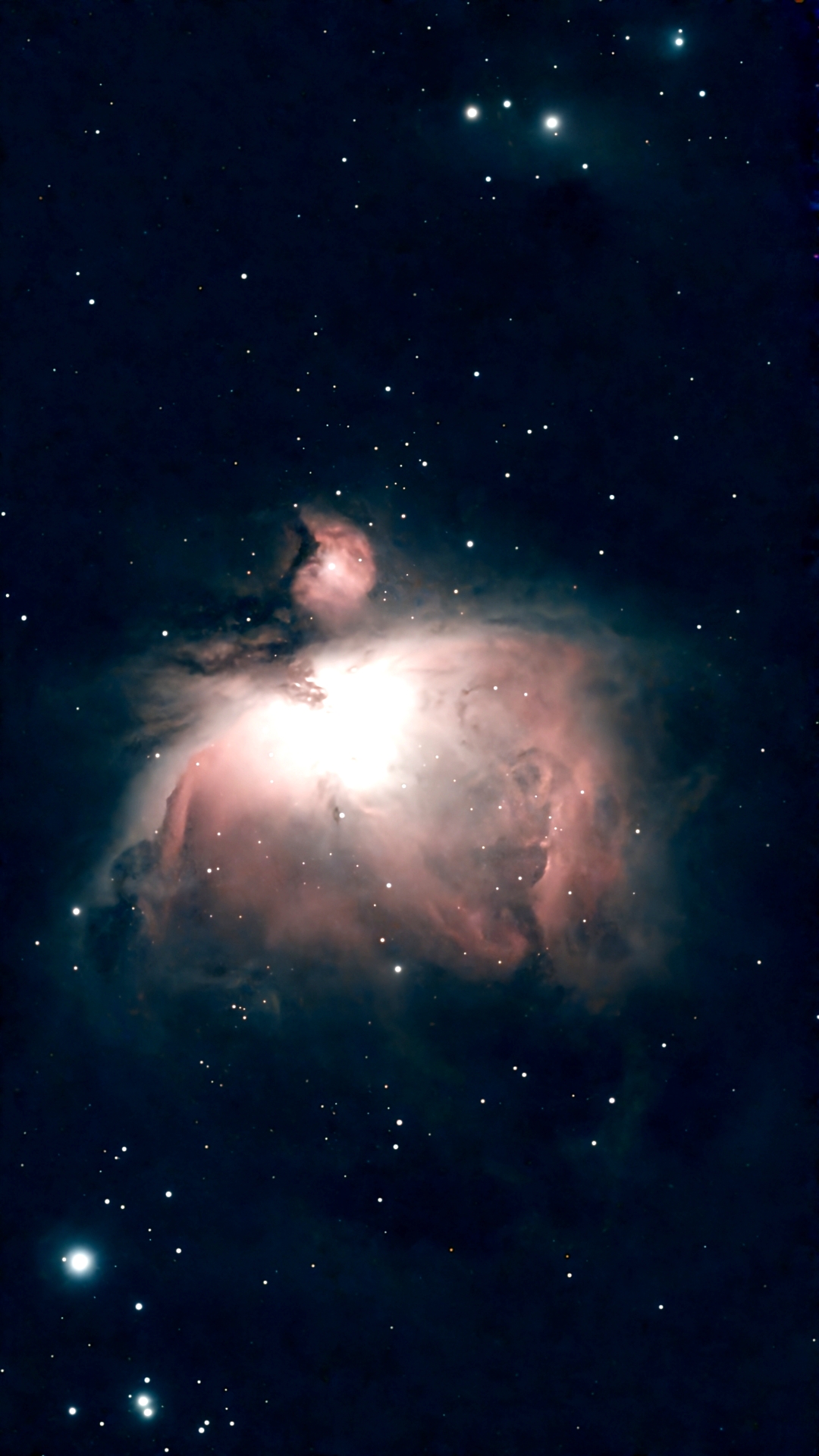
Orion Nebula

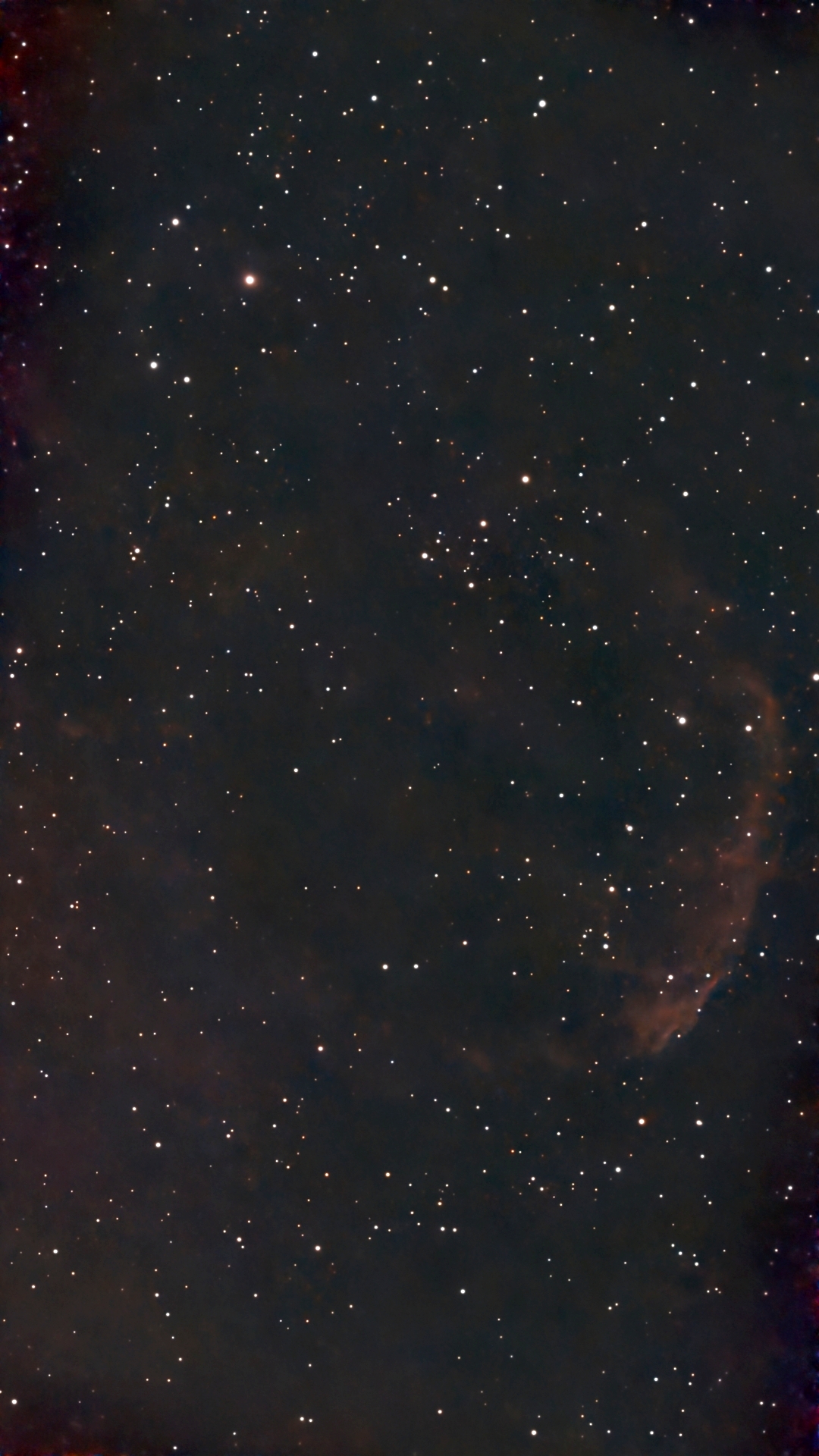
Jellyfish Nebula

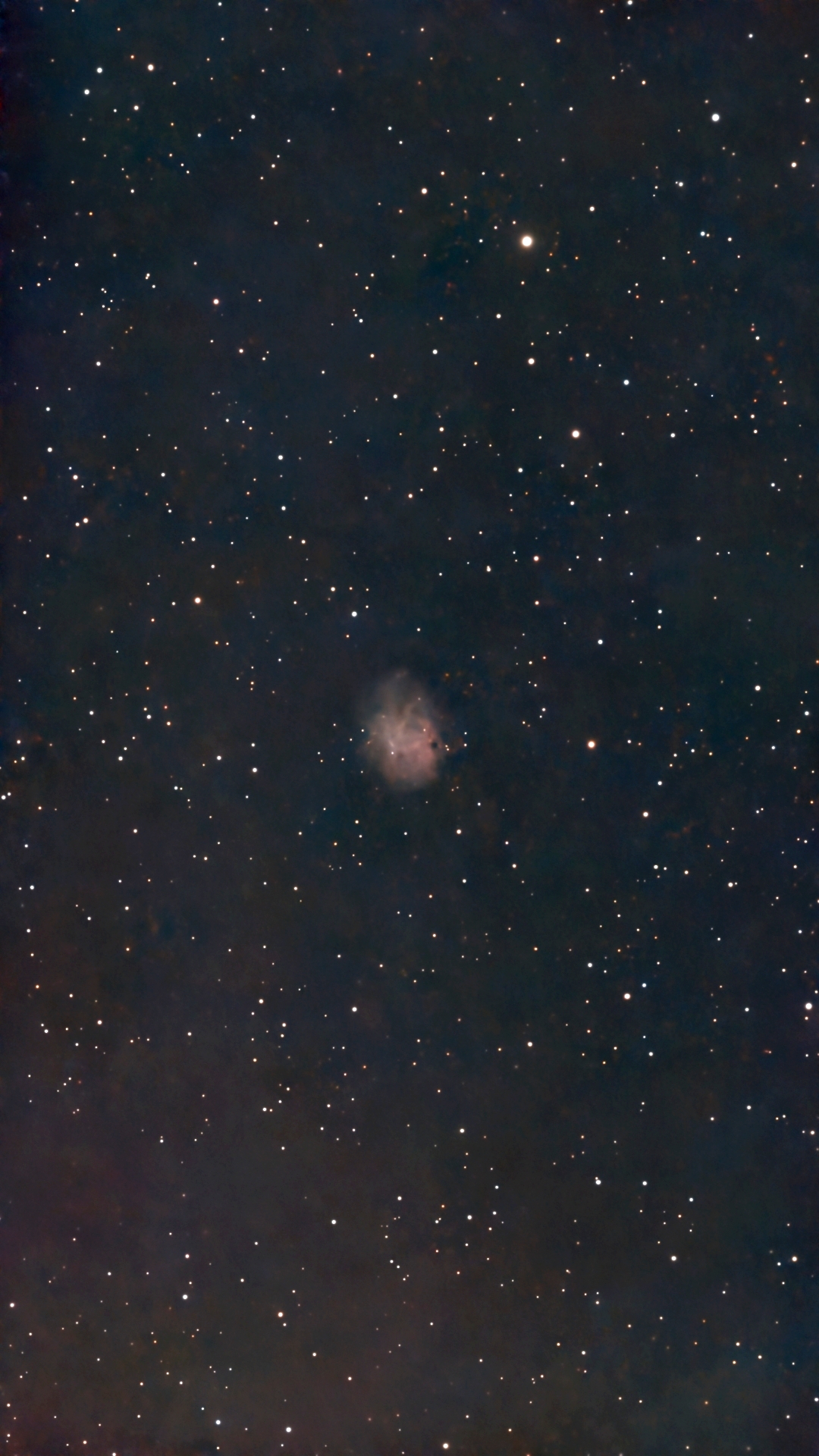
Crab Nebula